
Regular physical activity can improve sleep quality and help counteract the negative effects of alcohol on sleep. One of the most significant impacts of alcohol on sleep is fragmentation, particularly in the latter half of the night. As the body metabolizes alcohol, it leads to more frequent awakenings, resulting in choppy, low-quality sleep. Alcohol’s diuretic effect often exacerbates this fragmentation, increasing the need for nighttime bathroom visits and further disrupting sleep continuity.
- Women’s sleep is more disturbed by alcohol than men’s, Meadows said.
- Drops in blood oxygen levels (desaturations) become more pronounced and can in severe cases lead to hypercapnia (increased carbon dioxide), a potentially fatal condition.
- In general, maintaining a well-balanced diet, with an emphasis on lean proteins and diverse plant foods, can go a long way to enhancing your sleep, night-to-night.
- Regular physical activity can improve sleep quality and help counteract the negative effects of alcohol on sleep.
Could doing a dry month help you sleep better?
Like all things alcohol-related, it’s does alcohol help you sleep about moderation and knowing your limits. Too much alcohol can affect your sleep but you may benefit from a small drink before bed. Alcohol may be consumed in beer, wine, and hard liquors like vodka, rum, gin, and whiskey. It is more often consumed at night, also called a nightcap, and may negatively affect your sleep.
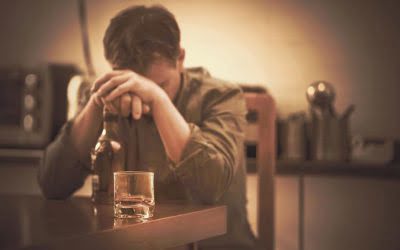
Limiting Alcohol Consumption Before Bed
- While it has sedative effects that can cause feelings of sleepiness, studies show alcohol, particularly when consumed in excess, can reduce sleep quality and sleep duration.
- Although not to be used as a ‘Get Out Of Hangover Free’ card, LYMA’s formula gets your body operating on an optimal level and acting as if it hadn’t just been pickled in toxins.
- If you choose to drink, be aware of the cancer risks, aim to drink less often and have fewer drinks.
- «Fragmented and reduced REM sleep leave you feeling tired and lethargic, even if you spent a full eight hours in bed. Over time, chronic sleep disruption can have a significant impact on mental health,» says Dr Kaylor.
But the truth is, drinking regularly—even moderate drinking—is much more likely to interfere with your sleep than to assist it. While heavy alcoholism alcohol use can trigger insomnia, the opposite is also true. People with insomnia have an increased risk of developing alcohol use disorder, potentially because many individuals turn to alcohol as a sleep aid.

Insomnia and Alcohol
Substantial evidence suggests that alcohol worsens symptoms of snoring and obstructive sleep apnea. These sleep-related breathing difficulties occur when soft tissues collapse and block the upper airway. In more serious cases, individuals suffer momentary lapses in breathing, followed by micro-awakenings that interrupt the progression of the sleep stages. In the short term, these alterations to our sleep pattern can lead to a restless second half of the night. In the long term, frequent disruptions to our natural sleep cycle may alter the homeostatic drive in a more permanent way. People who abuse alcohol long-term don’t seem to display the deep recovery sleep that most people show after sleep deprivation, suggesting that the homeostatic drive is no longer functioning as it should.
- While alcohol can bring on sleep, it doesn’t necessarily mean the quality of sleep will be good.
- Our state-specific resource guides offer a comprehensive overview of drug and alcohol addiction treatment options available in your area.
- This significant correlation, which remained after excluding persons already diagnosed with anxiety or depression, reaffirms the importance of effective management of depression and anxiety for improving sleep quality.
- On average, it takes the body one hour to process each unit of alcohol consumed, so aim to finish your last unit at least four hours before bed.
- Studies of chronic alcohol users have found that these individuals typically experience disrupted sleep patterns with less slow wave sleep and more REM sleep.