
Okay, so check this out—I’ve been diving deep into the world of crypto wallets lately, especially those that promise solid NFT support along with handy browser extensions and portfolio trackers. Seriously, it’s wild how much these features can change your whole experience managing digital assets. At first, I thought, “Eh, a wallet’s just a wallet, right?” But then, after juggling multiple chains and trying to keep tabs on my NFT collection, it hit me—there’s nothing quite like a wallet that really gets the whole Web3 vibe.
Wow! NFTs aren’t just flashy collectibles anymore; they’re becoming a daily part of crypto portfolios. The problem is, many wallets barely scratch the surface when it comes to seamless NFT handling. I mean, if you’re like me, you want to effortlessly browse, buy, or sell NFTs without jumping through hoops. And that’s where browser extensions come in handy—they let you interact with dApps right within your browser, no clunky switching needed.
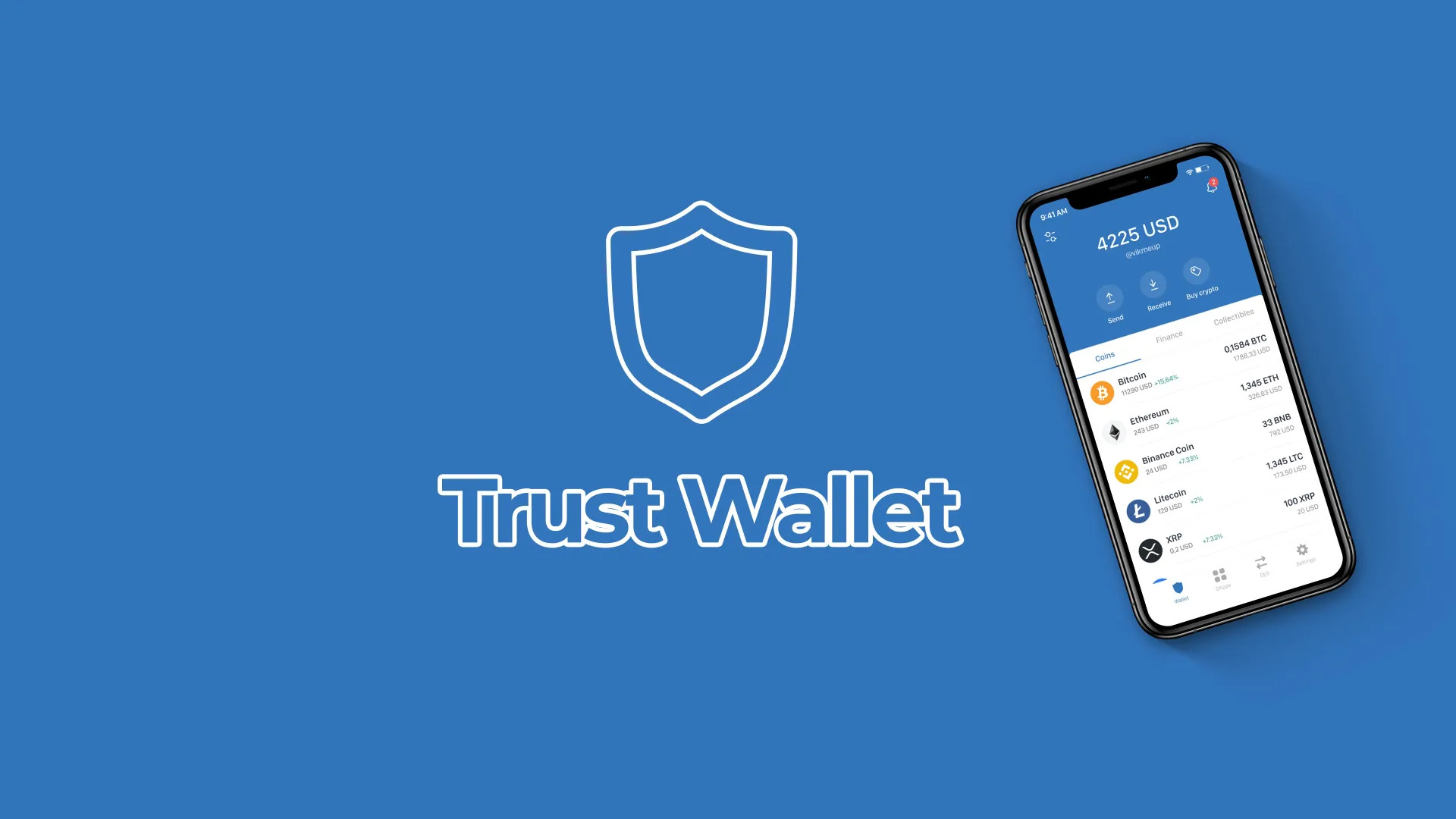
Initially, I thought all browser extensions were created equal. But actually, wait—let me rephrase that: some are downright frustrating or downright risky. Security’s a big deal here, especially since extensions can sometimes be attack vectors. So, the wallet you pick has to balance convenience with ironclad protection. Oh, and by the way, if you’re hunting for a wallet that ticks all these boxes, truts wallet is one I stumbled upon that really caught my eye.
Hmm… managing a portfolio across multiple chains is another beast entirely. My instinct said, «Keep it simple,» but reality is, the crypto landscape is sprawling. Without a decent tracker embedded in your wallet, you’re basically flying blind. Tracking gains, losses, and asset distribution manually? No thanks. The best wallets now come with built-in portfolio tools that update in real time, which is a game changer.
So yes, the trifecta of NFT support, a slick browser extension, and a portfolio tracker isn’t just bells and whistles—they’re essential. Something felt off about wallets that ignore one or two of these features, especially as Web3 matures. The user experience can be very very important, and honestly, that’s often overlooked.
Let me tell you a bit about my own experience. I once tried to manage NFTs across Ethereum and Binance Smart Chain using separate wallets. What a headache! Switching apps, logging in multiple times, and hunting for transaction histories felt like a never-ending chore. On one hand, specialized wallets offer deep features for a single chain, but on the other hand, the fragmentation kills your workflow. Though actually, there are wallets now that bridge this gap, making multi-chain NFT management smoother than I imagined.
Browser extensions deserve a special shoutout here. They give you that real-time interaction with marketplaces and dApps without leaving your browsing environment. But the catch is, some extensions are clunky or just poorly designed, which bugs me. The wallet’s extension should feel like an extension of your own hand—intuitive and reliable. If it’s laggy or confusing, you’ll probably ditch it fast.
Why Multi-Chain NFT Support Isn’t Just a Luxury
Here’s the thing. NFTs live on different blockchains, and if your wallet can’t handle multiple chains seamlessly, you’re stuck. Initially, I thought, “Maybe I just stick to one chain.” But that’s like saying, “I only drive on highways.” It’s limiting. The DeFi and NFT ecosystems are sprawling, and you want your wallet to keep up without constant switching.
Funny enough, many wallets claim to support NFTs, but when you dig deeper, they barely display metadata properly or don’t support interactions with popular marketplaces. That’s frustrating—especially if you’ve invested time and money into those assets. The wallet has to do more than just store tokens; it should let you browse your NFT gallery, check provenance, and even list items for sale easily.
Portfolio trackers within wallets help keep all that in perspective. Tracking your NFTs’ value alongside fungible tokens can be tricky, but some wallets integrate price feeds and analytics that give you a clearer picture. It’s not perfect everywhere yet, and honestly, I wish more wallets offered customizable alerts for NFT market moves.
Then there’s the security angle. Browser extensions can be risky if not properly vetted. I’m biased, but I always recommend wallets that have solid community backing and transparent open-source code. You can’t just trust any random extension that pops up. It’s a bit like trusting a stranger with your house keys.
One more thing—when you start interacting with multiple dApps, browser extensions let you approve transactions quickly without jumping into your mobile app or desktop client. That speed and convenience can’t be overstated. But again, beware of phishing attempts or malicious sites trying to trick you into signing unwanted transactions.
Honestly, I’m not 100% sure if all users appreciate how much these small conveniences add up. For me, it’s the difference between feeling in control and feeling overwhelmed. I think wallets like truts wallet are trying to close that gap by delivering an integrated experience that covers all bases.
Final Thoughts: What’s Next for Wallets in 2024?
So, where’s this going? I suspect wallets will keep evolving beyond just “storage” tools. They’re becoming full-fledged Web3 dashboards where you manage NFTs, tokens, governance votes, and more—all in one place. The challenge is balancing complexity with usability. Some wallets get so feature-heavy they scare off newcomers, while others stay too basic for power users.
Here’s a wild thought: What if wallets could predict your needs? Like, smart notifications on NFT drops you might like, or automatic risk assessments for new dApps you visit. I know, sounds like sci-fi, but with AI creeping into crypto, it’s not far off.
Anyway, for now, if you’re serious about managing NFTs across chains, want a reliable browser extension, and crave a portfolio tracker that just works, don’t settle. Try wallets that integrate these features thoughtfully. My gut says that’s the future’s direction—even if it feels a bit rough around the edges sometimes.
In the meantime, keep an eye on projects like truts wallet, which seem to be pushing the envelope. It’s like they get what users really need—not just shiny tech but practical tools that make crypto life easier.