
Okay, so check this out—when I first dipped my toes into the Solana ecosystem, I was dazzled by the speed and low fees. But man, choosing the right validator and managing SPL tokens felt like wandering through a maze blindfolded. Seriously, it’s not as straightforward as some guides make it seem. Something felt off about the whole process—why is picking a validator such a big deal? And how on earth do you keep your tokens secure without losing your mind over technical jargon?
Short answer: it’s a mix of trust, tech, and a little bit of luck. But let me walk you through what I’ve learned, including some quirks and real talk about browser extensions like the solflare wallet, which I’ve actually been using on and off for months.
First off, SPL tokens. They’re basically Solana’s version of Ethereum’s ERC-20 tokens, but with some nuances that can trip up even seasoned DeFi users. At first glance, they seem simple—tokens built on Solana’s program library, easy to mint, transfer, or stake. But the ecosystem is evolving so fast that governance models, staking rewards, and token utilities vary wildly. I remember the first time I tried staking an SPL token. I thought, “Cool, just lock it up and watch the rewards roll in.” Nope. There was a validator selection step, and I realized not all validators are created equal.
Validators on Solana are like gatekeepers for your tokens’ security and network health. My instinct said, “Pick a big name or the highest staked one,” but then I dug deeper. Some validators have shady histories or questionable uptime. On the other hand, smaller validators may be more community-focused but risk downtime. Hmm… balancing performance, decentralization, and trustworthiness isn’t trivial.
Here’s the thing. When you’re using a browser extension wallet like the solflare wallet, the interface tries to simplify validator selection, but it’s still your call. I appreciate how the solflare wallet integrates staking options right there in the extension, making it easier to browse validators without toggling between tabs.
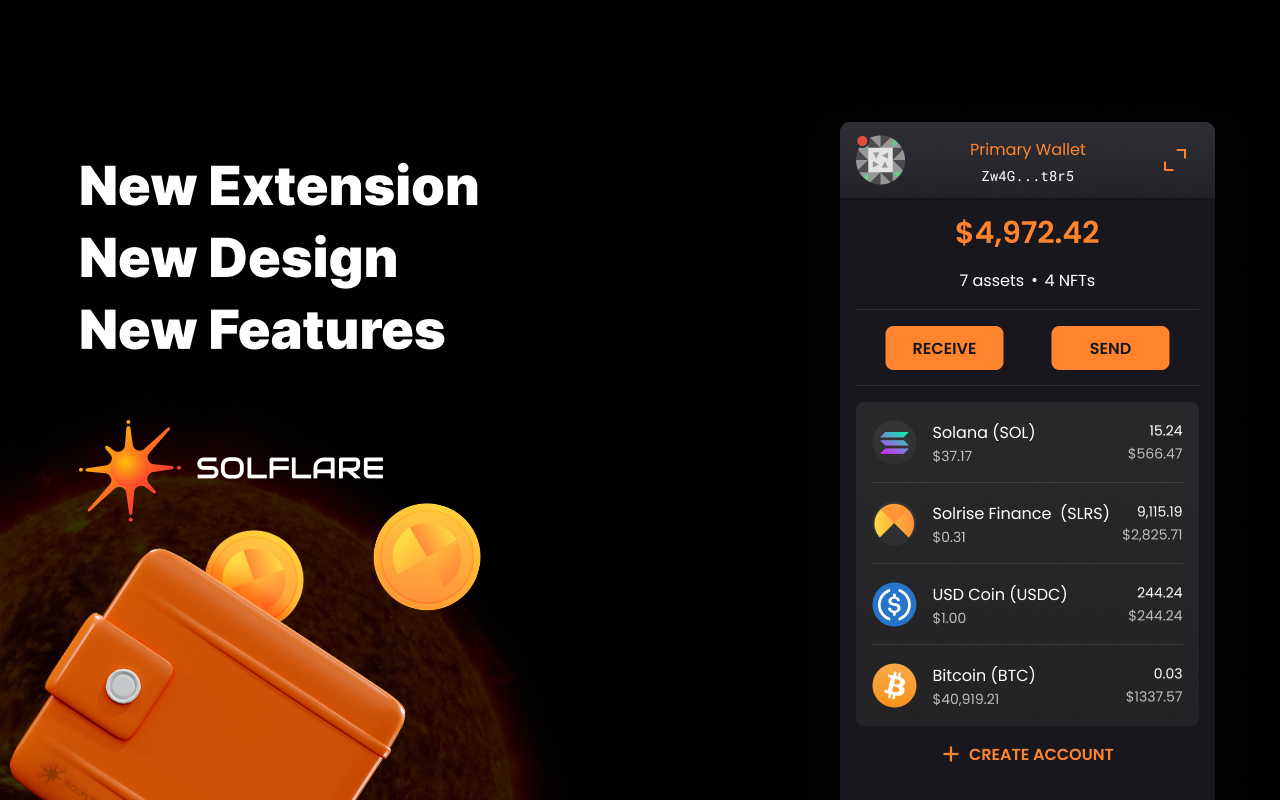
Check this out—one of my favorite features is how solflare wallet highlights validators’ commission rates and uptime stats side-by-side. That kind of transparency isn’t always obvious on other platforms. But, uh, be warned: sometimes those stats can be misleading. For example, a validator might have stellar uptime but a very high commission, eating into your rewards. Or vice versa.
At this point, I was torn. On one hand, staking with a low-commission validator seems smart; on the other hand, I want my tokens to be secure, so uptime and reputation matter more. Actually, wait—let me rephrase that. You want a validator that strikes a balance between reliability and reasonable fees. But finding that sweet spot requires some digging and, honestly, a bit of trial and error.
Browser extensions like the solflare wallet really help bridge this gap. They reduce the friction of interacting with Solana’s network, letting you manage SPL tokens, stake, and even participate in governance proposals without leaving your browser. Still, I sometimes get spooked about security. Extensions can be vulnerable to phishing or browser exploits, which bugs me a lot, especially with my assets on the line.
To mitigate that, I always recommend using official or well-vetted extensions. The solflare wallet has built a solid rep in the Solana community, which makes me more comfortable trusting it. Plus, it supports hardware wallets, which adds an extra layer of security. If you haven’t tried connecting a Ledger or Trezor via solflare, you’re missing out.
Something else worth mentioning: staking through these browser extensions sometimes requires you to lock your tokens for a certain period. It’s not always clear upfront how long your tokens will be illiquid, so be cautious. I learned this the hard way when I wanted to move my tokens quickly but was stuck waiting for the cooldown period.
Validator Selection—More Than Just Numbers
Picking a validator isn’t just about stats. I’ve chatted with folks who prioritize validators that actively engage in community projects or support network upgrades. Honestly, that community aspect adds a human dimension to what otherwise feels like cold, technical stakes. Plus, some validators donate parts of their commission back to projects or charity, which is pretty neat.
Now, I’m not saying you should pick validators based on charisma, but knowing their background helps build trust. The solflare wallet sometimes provides links to validator websites or social profiles, which is a handy feature I wish more wallets had.
Another curveball: some SPL tokens have governance rights tied to staking, meaning your choice of validator can affect your voting power. That was news to me. I initially ignored governance, but after getting involved in DAOs within Solana’s ecosystem, I realized that your staked tokens are more than just passive assets—they’re your voice.
Oh, and by the way, if you’re juggling multiple SPL tokens, managing them through a single browser extension like solflare wallet is a lifesaver. No need to bounce around different apps or command-line tools. It’s not perfect, but it’s a big step up in user experience.
Still, there are some rough edges. For example, I noticed that sometimes the solflare wallet’s UI lags or fails to update staking rewards in real time. It’s minor but can be annoying if you’re tracking earnings closely. I’m guessing this is due to network congestion or backend syncing delays, but it’s something to keep in mind.
On the security front, I generally recommend enabling all available privacy and security features within your wallet extension. Also, avoid storing large amounts of tokens in hot wallets connected to your browser—cold storage is king for serious holdings.
At its core, mastering SPL tokens, validator selection, and wallet management in Solana requires a mix of patience, research, and a bit of intuition. I’m biased, but I think browser extensions like the solflare wallet hit a sweet spot between accessibility and power for most users.
That said, the landscape is evolving fast. New validators pop up, token standards improve, and wallet extensions keep adding features. So don’t expect to “set and forget.” Keep an eye on your staking choices, validator reputations, and wallet updates to stay ahead.
FAQ
What exactly are SPL tokens?
SPL tokens are Solana’s native token standard, similar to Ethereum’s ERC-20. They represent programmable assets on the Solana blockchain and can be used for various purposes like DeFi, NFTs, or governance.
How do I choose the right validator?
Look at uptime, commission fees, community reputation, and whether they support governance initiatives you care about. Using tools integrated in wallets like solflare wallet makes this easier.
Is using a browser extension wallet safe?
Generally yes, if you use reputable ones like solflare wallet and follow security best practices, including hardware wallet integration and avoiding phishing attempts.